












Africa’s creative economy is attracting growing investor attention, but financing the sector has traditionally been viewed as high-risk.
From music and film to fashion and digital media, creative businesses often rely on intellectual property rather than physical assets. This makes them difficult for traditional financial institutions to evaluate.
However, new market structures across East Africa are beginning to change that dynamic.
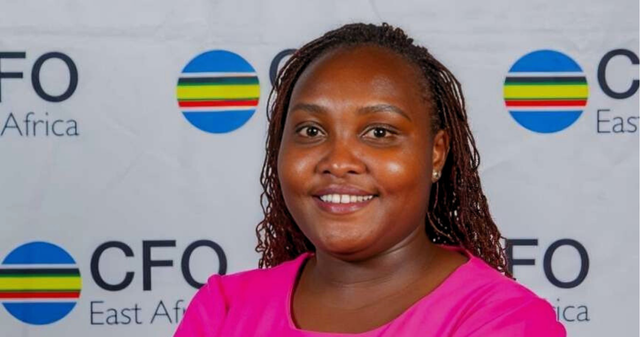
A recent analysis by CFO East Africa argues that festivals, specialised funding programmes, and investment-readiness initiatives are helping reduce the perceived risks associated with creative sector financing.
Festivals as Market Infrastructure
Large cultural festivals are increasingly playing a role beyond entertainment.
Events like Jamafest, the East African Community’s arts and culture festival, are emerging as platforms that provide measurable indicators of market demand.
For investors and CFOs, festivals can offer real-time signals around audience engagement, ticket sales, brand partnerships, and cross-border cultural exchange.
These signals help investors evaluate whether creative projects have the commercial traction needed to scale.
In effect, festivals are becoming testing grounds for creative products, where projects can demonstrate their viability before attracting larger pools of capital.
Bridging the Investment Gap
Another key piece of the puzzle is the emergence of specialised funding programmes designed to support the creative sector.
Initiatives such as the Ignite Culture Fund are working to prepare creative entrepreneurs for investment by offering mentorship, financial literacy training, and business development support.
This approach helps address one of the biggest barriers to creative sector financing, the lack of investment-ready businesses.
Rather than simply providing grants, these programmes aim to transform creative ventures into structured SMEs capable of attracting institutional capital.
Reducing Risk for Investors
For finance leaders evaluating opportunities in the creative economy, the biggest challenge is often the lack of reliable data.
Festivals, cultural markets, and structured funding programmes are beginning to fill that gap by generating verifiable indicators of demand, from audience metrics to commercial partnerships.
This data helps reduce due-diligence costs and provides investors with clearer insights into a project’s commercial potential.
The Next Phase of Africa’s Creative Economy
As global interest in African cultural exports continues to rise, particularly in music, film, and digital content, the need for stronger financial infrastructure is becoming increasingly clear.
The emergence of festivals as market platforms and funds as investment catalysts suggests the region’s creative economy is entering a new phase.
For investors, the shift is significant. The creative sector is gradually evolving from a high-risk cultural space into a structured investment opportunity.