















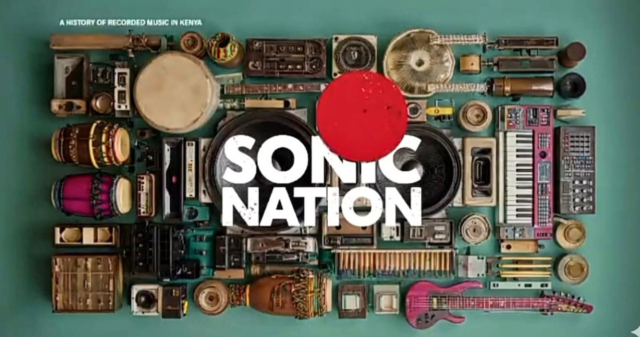
RIKE, the Reproduction Rights Society of Kenya, premiered a documentary titled Sonic Nation at an event that brought together stakeholders from across the Kenyan music industry.
The screening addressed the historical development of Kenyan music, current challenges facing creators, and the need for stronger infrastructure and rights awareness.
The event was attended by representatives from IFPI, Sony Music, Universal Music Group, and Ziiki Media, alongside local industry professionals and policymakers.
Angela Ndambuki of IFPI addressed attendees on the importance of International Standard Recording Code implementation, urging producers to register with RIKE to ensure proper tracking and monetization of their recordings.
The call emphasized the role of standardized identification in enabling royalty collection and rights management.
Sarah Chebet, Head of Arts at the British Council, spoke about the UK Kenya season and its focus on supporting collaboration between the two countries. The initiative aims to foster cultural exchange and creative partnerships between British and Kenyan arts organizations.
The documentary explored the roots of Kenyan music, highlighting the country’s rich heritage of traditional music.
It examined how festivals and Western influence created a fusion that generated a series of new sounds and genres within the Kenyan music landscape.
The film also traced the influence of record labels in shaping the industry, including Polygram Records, Equator Records, CBS, Kelele Records, Calif Records, and Ogopa Records.
These labels were credited with establishing a formal structure for music production and distribution in Kenya during their respective eras.
As the industry grew, the documentary noted, the need for protection became apparent, leading to the development of a copyright framework designed to protect creators. However, gaps in awareness and implementation have persisted.
Eric Musyoka addressed the issue of limited awareness among artists, noting that many creators lose ownership and control of their work due to a lack of understanding of intellectual property rights.
Sharon Wata spoke on amendments to copyright legislation within the territory, outlining changes aimed at strengthening creator protections.
Speakers highlighted that many artists start their careers without understanding the music business, a challenge that continues to affect earnings and career sustainability.
Radio and airplay were identified as key drivers of the music industry, with curated playlists playing a significant role in breaking songs. Matatu culture was also cited as a contributor to music promotion and distribution in Kenya.
Angela Mwandanda of RIKE discussed the gap between available resources and creator awareness, emphasizing the need for education and archival efforts.
The documentary and the event were framed as steps toward preserving Kenyan music heritage while building awareness of rights, infrastructure, and professional standards for the future of the industry.