The Nigerian music industry generated an estimated $600.7 million in 2024, with live performances contributing a dominant 65.74% of total revenue, according to the landmark market intelligence report Basslines to Billions.
Produced by RegalStone Capital and the National Council for Arts and Culture, the study forecasts the sector will grow at a 7% annual rate to surpass $1 billion by 2033, driven by Afrobeats’ global demand and a young, digital-native population.
NCAC is the agency responsible for the music industry within Nigeria’s cultural and creative economy, they are committed to ensuring that artists and stakeholders benefit fully from their work.
This Report Povides The Data, Insight, And Analysis Needed To Understand The Size, Scale, And Potential Of This Sector, And To Chart The Investments And Interventions Required To Unlock Its Full Value.
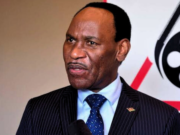
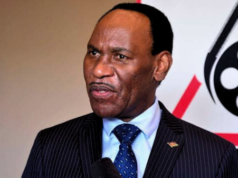
Obi Asike (NCAC) Director-General
Their Director-General Obi Asike highlighted that this is the first comprehensive market intelligence report of its kind for Nigeria’s music sector.
The report states that streaming and digital platforms form the industry’s second-largest revenue stream at 30.13% ($181 million), with Spotify revealing it paid rights holders for Nigerian artists ₦58 billion (approx. $38.7 million) in 2024 more than double the previous year.
However, the report identifies structural bottlenecks such as low subscription conversion, weak publishing systems, and royalty collection gaps that continue to limit monetization potential across digital channels.
Beyond live and streaming, brand endorsements accounted for 3.08% ($18.5 million), highlighted as a high-margin growth avenue, while publishing and sync licensing together contributed less than 1.5%, underscoring systemic inefficiencies in copyright enforcement and collective management.
Industry leaders like former COSON CEO Dr. Chinedu Angus Chukwuji called for urgent reforms, noting that broadcast licensing compliance in Nigeria lags behind smaller African markets like Botswana.
The report also captures pivotal insights from major platforms; Spotify confirmed Nigerian music consumption on its service grew 206% locally last year.
With strategic interventions in policy, infrastructure, and rights management, Nigeria’s music sector is poised to evolve from a cultural export into a billion-dollar economic engine.
The Basslines to Billions analysis concludes that addressing piracy, data transparency, and royalty collection can propel the industry into a multi-billion-dollar asset class, reshaping its contribution to national GDP and employment within the next decade