Leaders Digest examines the views and decisions of executives and industry leaders through reporting, interviews, and opinion-led analysis.
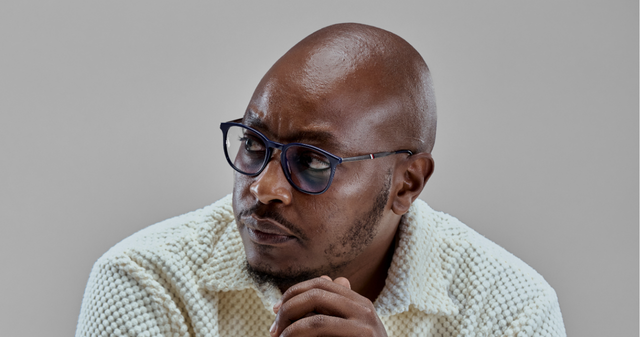
Dennis Njenga, the Executive Director and Managing Partner of KAKA EMPIRE, has spent the last decade architecting a new kind of music company from the heart of East Africa.
His journey is not one of simply managing artists but of systematically building an ecosystem, melding sharp business administration and data-driven marketing with an instinct for raw, groundbreaking talent.
This approach has propelled Kaka Empire beyond a traditional label into a recognized force, a trajectory recently underscored by Njenga’s own accolade as a Forty Under 40 Africa 2024 honoree.
Ideas Get Attention. Systems Build Empires. If You Don’t Professionalize Creativity, Someone Else Will Profit From It.
Dennis Njenga
The company’s stated mission to “nurture talent and revolutionize the industry” is being executed through a dual-engine strategy. On one front, Njenga drives artist development with a focus on long-term brand equity over fleeting virality.
Concurrently, he leverages over a decade of commercial expertise to forge strategic brand partnerships and digital innovations that create revenue streams far beyond recorded music, ensuring artistic growth is matched by sustainable business growth.
This consistent delivery of exceptional results positions Kaka Empire at a fascinating inflection point. The question for industry observers is no longer if the model works, but how far it can scale.
Before Kaka Empire, you were building your career. What was the specific moment or frustration within the Kenyan music industry that made you decide to build your own company, rather than climb the ladder at an existing one?
Before starting Kaka Empire, I was already moving up the ranks in banking and insurance. I had a good grasp of how companies are run, how risks are managed, and how profits are made.
The moment I started working with the music industry through that lens, I realized it was in serious trouble. Artists were talented, brands were spending money, but there was no system, no real planning, and no long-term thinking.
Deals were based on feelings, not on business sense. Careers were treated like side jobs, not like serious businesses.
I didn’t leave my job because I was failing. I left because I saw a clear chance: bringing real business skills to creative talent. Kaka Empire was born out of that frustration and that opportunity.
What was the first major strategic pivot Kaka Empire had to make after launch that signaled you were on to something, or that the initial plan needed to change?
Our first big change happened when we got booked for a performance and were paid USD 800, which seemed normal in the industry at the time. But to me, it was a sign, not a win.
I realized artists were being paid too little not because there wasn’t enough demand, but because no one was properly valuing or negotiating their talent as a real business asset.
That was when my mindset changed from chasing gigs to building a company that faces the industry. We stopped thinking about performing and started thinking about managing assets.
How do you define the specific uncontested market space that Kaka Empire is designed to dominate within Africa’s crowded entertainment landscape?
Kaka Empire works in the space between creative talent and big money. Most people in this space are either focused on creativity without business knowledge or focused on business without cultural credibility.
We are in the middle. Our unique area is helping create artists who can work well in boardrooms, meetings with companies, and long-term brand partnerships, not just on stage or on music platforms.
If you were pitching Kaka Empire to a venture capital firm today, what would you cite as your defensible moat or unfair advantage over other labels and management companies?
Our main strength is having strong execution and knowing culture well. Anyone can sign an artist. Very few can take that talent and develop it properly.
We understand contracts, rules, financial reports, brand returns, and how companies are run, just like big global companies expect. We still work with culture in a real way. That kind of trust is hard to build and takes a long time.
In building Kaka, have you found that success is 80% about signing the right raw talent, or 80% about having the right business system to develop any talented individual?
Systems always bring success. No matter how good the talent is, it is the structure that makes stars and creates long term revenues. Talent without proper systems burns out, gets taken advantage of, or stops growing.
A strong system can turn good talent into a lasting business. At Kaka, talent is raw material. Systems are the factory that turns it into something useful.
Can you break down the target revenue mix for a flagship artist on your roster? What percentage do you aim to derive from brand partnerships, recorded music, and touring/live within the next 24 months?
In the next 24 months, the ideal revenue mix for a top artist would look like this:
40-45% from brand partnerships and endorsements
30-35% from touring and live performances
20-25% from recorded music and digital sales
Recorded music helps build the artist’s reputation and influence. Live performances bring in money. Brand deals help grow the artist’s reach and long-term value.
When negotiating with a multinational brand, what is the most effective data point or case study you use to justify the value and ROI of an artist partnership in the African market?
The best way to win over corporate partners is by showing how well your influence can move products. We don’t sell followers. We sell influence that helps sell products.
Showing how money spent on campaigns leads to reach, engagement, and better brand reputation in specific groups is more convincing than just counting followers. Big companies care about predictability, not just popularity.
Beyond social media, what is one under-exploited digital channel or technology (e.g., AI, web3, interactive content) you believe will be critical for artist growth in Africa in the next 18 months?
The next big thing in the digital space is owning your audience’s data. Many African artists still rely on rented audiences through social media.
The advantage will go to those who have direct fan data through membership, exclusive content, ticket systems, and AI tools that help connect with fans. Whoever owns the relationship with the audience will control how money is made.
As you scale, what is the single hardest operational function to replicate or professionalize: A&R, brand sales, financial management, or touring?
Brand sales is the hardest part to scale. Relationships are important, trust takes time, and credibility can’t be automated. Financial and touring operations can be systemized.
You can train people who find new talent. But talking about brands at a high level still needs people who understand both culture and business well.
Which non-Kenyan African market presents the most logical yet underserved expansion opportunity for Kaka Empire’s model, and why?
Nigeria is obvious but already crowded. The real opportunity is in Southern Africa, especially South Africa. It has more money to spend, better brand systems, and a legal environment that understands intellectual property.
The gap is having talent management that works across the whole continent.
Do you envision Kaka Empire as an independent powerhouse in perpetuity, or a future acquisition target for a major, or the foundation for a publicly-listed African entertainment conglomerate?
I’m building options. The goal isn’t to sell quickly. Kaka Empire should be strong enough to stay independent, attractive enough to be bought, and structured enough to eventually help create a publicly listed African entertainment group.
Weak businesses look for exits. Strong businesses create choices.
What is the most significant blind spot or unaddressed risk you see for African music businesses in the current boom cycle?
The biggest risk is thinking growth is easy without fixing the basics. Music streaming is growing, but transparency in royalty payments, enforcement of copyright, and financial understanding are not keeping up.
Without fixing that, the growth will mainly help platforms rather than creators.
As artists grow, the lure of global majors intensifies. Beyond financial terms, what is your core value proposition for retaining a superstar artist at Kaka Empire versus them signing directly with an international label?
We offer partnership, not just using artists. Artists stay because they are treated like owners of their careers, not just products for sale.
We focus on lasting success, working across different industries, and staying relevant even after fame fades.
Big companies can help you grow. We help you last through fame.
What is one specific piece of legislation or industry policy you are actively lobbying for or against to improve the business environment for creators and labels in Kenya?
Stronger enforcement of intellectual property rights and better reporting on royalties are important.
The laws are there, but they are not enforced well. Until creators trust the system, money will stay cautious.
Looking at your portfolio, what is a completely new vertical (e.g., sports, fintech, film/TV production) you are strategically eyeing for diversification?
The next big area is sports and content-based IP. Athletes face the same problems artists had a decade ago.
There’s a lot of potential in using the same business strategies and brand management for sports talent and related media.
A key test of any founder is the team they build. What is a critical leadership role at Kaka that you’ve successfully filled with someone who challenges you, and how did you find them?
I intentionally hired someone who challenges my ideas and keeps me focused on making smart decisions about deals and revenue.
I didn’t hire for loyalty. I hired it to create tension and clarity. Growth needs some friction.
How has the recognition from Forty Under 40 Africa 2024 tangibly changed the conversations you’re able to have with partners, investors, or international stakeholders?
I was awarded top forty under forty men by the business daily in Kenya, then later recognized as top forty under 40 Africa.
Being recognized first in Kenya for 40 under 40 men by Business Daily, and then continentally with Forty Under 40 Africa, changed how people saw us.
Conversations shifted from proving ourselves to talking about how to work together. It opened doors to people who care about track record and good management, not just popularity.
Can you share a brief example of a partnership or deal that fell through, and what that failure taught you about the specific nuances of the East African market?
We lost a major brand deal because the expectations around exclusivity and long-term rights weren’t clear. It taught me that East African brands are careful and precise.
If you don’t clarify your plans early, you lose trust quickly. That lesson changed how we structure every deal.
If we were to have this conversation again in 2030, what single, measurable achievement would define this decade as a success for Dennis Njenga and Kaka Empire?
By 2030, success is measurable if Kaka Empire has built at least five artists who make a steady seven-figure income each year, not just because of popularity, and who run real businesses.