
Spotify’s arrival in key African markets like South Africa, Nigeria, Kenya, and Ghana was met with fanfare, promising to bring the world’s music to the continent and vice versa. However, its journey over the past few years reveals a complex challenge: adapting a global blueprint to the intricate realities of Africa’s digital and cultural landscape.
On the surface, Spotify offers undeniable value. It provides a sleek, data-rich platform for discovery, connecting African hits like Afrobeats and Amapiano to a massive global audience. For listeners seeking international catalogues and curated playlists, it’s a powerful tool. Yet, the platform faces fierce, homegrown competition from Boomplay, which boasts over 75 million monthly users by mastering the local context.
“African audiences often discover music through different channels: street pop, viral moments on social media, and local radio”
The core of the challenge lies in adaptation. While Spotify excels with its algorithm-driven “Discover Weekly,” African audiences often discover music through different channels: street pop, viral moments on social media, and local radio. Furthermore, Spotify’s premium, data-heavy model bumps against realities of high data costs and connectivity issues. Competitors like Boomplay built their success on robust offline listening features from day one—a necessity Spotify has had to retrofit.

The battle is also economic. The debate around fair artist payouts is global, but in developing markets with smaller subscription bases, it’s acutely felt. Local players often promote more aggressive hyper-local licensing and direct support systems for emerging artists, positioning themselves as cultural partners rather than just distributors.
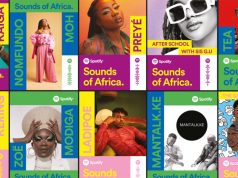
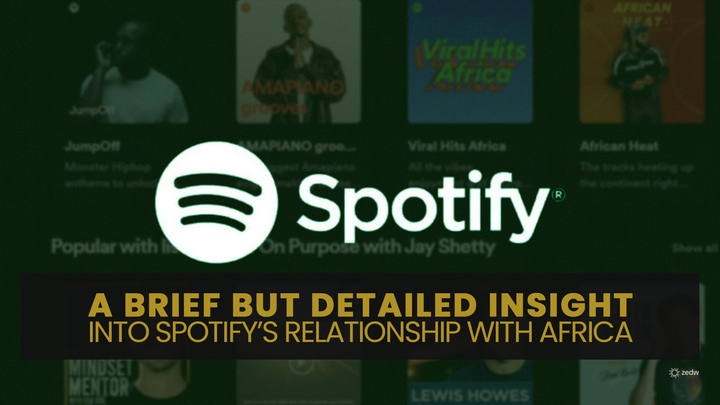
Spotify’s strategy now involves forging key partnerships with local telcos for data bundles, launching hyper-local playlists like “African Heat,” and spotlighting African artists on its global stages. Its success hinges on moving beyond being just an access point for international music and becoming an indispensable, locally-tuned ecosystem for African creators and fans.
The question remains: Can Spotify decentralize its strategy enough to not just be in Africa, but truly of Africa? The continent’s streaming war is far from over, and the winner will be the service that best harmonizes global reach with local rhythm.